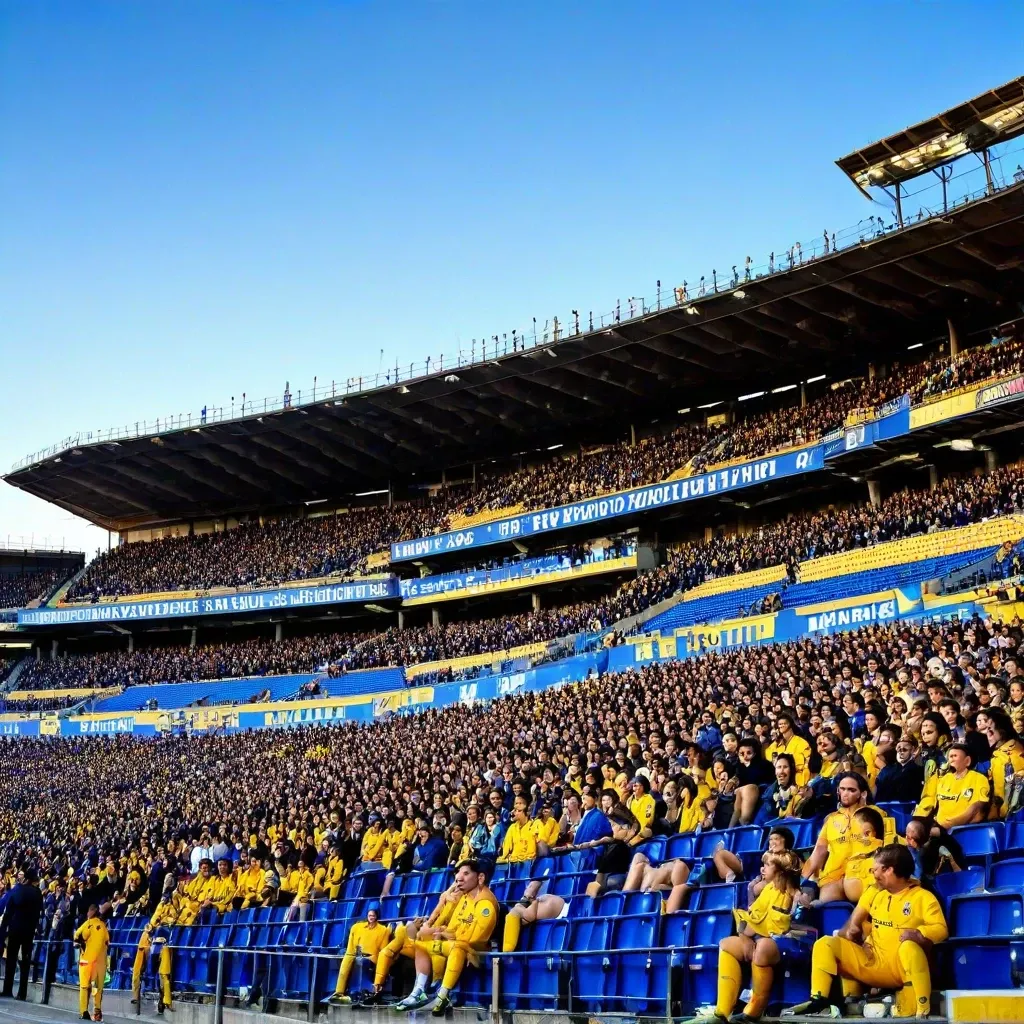
Imagine the roar of the crowd echoing through the stands, the electric atmosphere palpable as Hellas Verona battles for victory on their home turf. This is Stadio Marcantonio Bentegodi, a stadium that has witnessed countless moments of glory, heartbreak, and unforgettable Italian football history. From nail-biting Serie A clashes to legendary cup matches, the Bentegodi has been the stage for generations of passionate Veronese fans. But beneath the surface of tradition and fervent support lies a complex future. With the potential of hosting Euro 2032 matches on the horizon, the aging stadium faces the challenge of modernization while preserving its unique character. The Stadio Bentegodi is more than just bricks and mortar; it’s a living testament to Verona’s sporting soul, a symbol of the city’s unwavering love for football, and a venue where legends are made.
A Historical Overview: The Bentegodi’s Legacy
Early Years and Construction
The story of the Marcantonio Bentegodi Stadium begins in the early 1960s, a period of significant growth and ambition for the city of Verona. The decision to erect a modern, multi-purpose stadium reflected Verona’s rising prominence and its desire to host major sporting events. Construction commenced with the vision of creating a venue that could accommodate a large number of spectators while providing excellent sightlines and facilities. The initial design featured a single-tiered bowl, capable of holding a substantial crowd, marking a significant upgrade from the city’s previous sporting grounds. The stadium quickly became a symbol of civic pride, a testament to Verona’s commitment to sports and recreation.
The 1990 World Cup Transformation
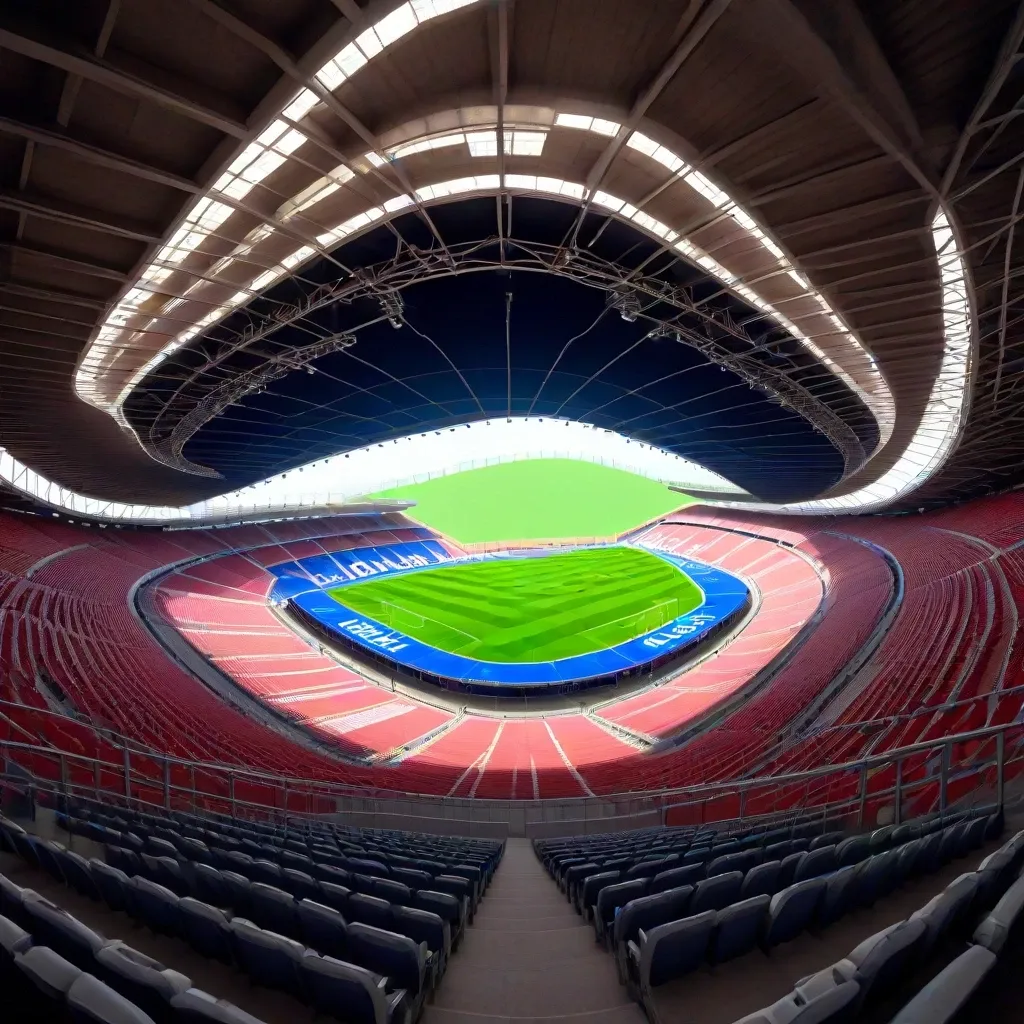
The selection of Italy as the host nation for the 1990 FIFA World Cup triggered a dramatic transformation for the Marcantonio Bentegodi Stadium. To meet FIFA’s stringent requirements and accommodate the influx of international fans, a comprehensive renovation project was undertaken. The most significant alteration was the addition of a new upper tier, substantially increasing the stadium’s capacity. Furthermore, a modern roof structure was installed, providing much-needed cover for spectators. These structural enhancements, coupled with technological upgrades to the stadium’s lighting and sound systems, ensured that the Bentegodi was fully equipped to host matches on the world’s biggest stage. The 1990 World Cup renovation not only modernized the stadium but also solidified its position as a premier sporting venue in Italy.
Hellas Verona: The Soul of the Bentegodi
Hellas Verona is more than just a football club; it’s the beating heart of Verona, a symbol of pride and passion deeply intertwined with the city’s identity and the legendary Stadio Marcantonio Bentegodi. From humble beginnings to the dizzying heights of Serie A glory, the club’s journey reflects the resilience and fighting spirit of its devoted fanbase. The roar of the Gialloblu faithful echoes through the stands of the Bentegodi, a constant reminder of the shared history and unwavering loyalty that binds the team and its city.
The club’s story is etched into the very fabric of Verona. Generations of fans have witnessed triumphs and tribulations, forging an unbreakable bond with the team. The Bentegodi, a Roman amphitheater, has seen everything from nail-biting victories to heartbreaking defeats, each moment adding another layer to the rich tapestry of Hellas Verona’s legacy.
Over the years, the Bentegodi has been graced by phenomenal players. These players became legends in Verona, their names forever chanted in the stands. These iconic figures embodied the spirit of the club, leading Hellas Verona through memorable moments that will be talked about for generations.
The Miracle of 1985: A Historic Scudetto
The 1984-85 season remains etched in football history as one of the greatest underdog stories ever told. Under the astute guidance of manager Osvaldo Bagnoli, Hellas Verona defied all expectations to capture the Serie A title. This improbable triumph, against the giants of Italian football, cemented the club’s place in history and sparked unparalleled celebrations throughout Verona. The names of the players who made it possible continue to be revered, forever linked to the miracle of 1985.
From Serie B to Serie A
Like many clubs, Hellas Verona has faced challenges, including relegation to Serie B. The road back to the top flight is never easy, filled with promotion battles and financial obstacles. Each return to Serie A is celebrated. The club’s ability to bounce back reflects the fighting spirit that defines Hellas Verona.
The Bentegodi Today: A Stadium at a Crossroads
The Stadio Marcantonio Bentegodi, while steeped in history and boasting a vibrant atmosphere cherished by Hellas Verona and Chievo Verona fans, finds itself at a crucial juncture. Its current condition presents a stark contrast between its celebrated past and the demands of modern Serie A football.
One of the stadium’s most significant strengths lies in the passionate atmosphere generated within its walls. On match days, the Bentegodi roars to life, creating an intimidating environment for visiting teams. However, beneath this captivating surface lie considerable challenges related to its outdated infrastructure and limited amenities. Compared to the newer, more technologically advanced stadiums dotting the Serie A landscape, the Bentegodi lags behind.
The stadium’s infrastructure is showing its age. Issues with seating comfort and spacing are frequently mentioned by fans. Accessibility for disabled supporters also presents challenges, and the lack of modern technological integrations, such as high-speed Wi-Fi and interactive fan experiences, further contributes to the perception that the Bentegodi is struggling to keep pace with the times. Furthermore, the availability of premium hospitality suites and diverse food and beverage options is noticeably lacking when viewed against the standards set by other Serie A stadiums. With a capacity of a little over 30,000, the stadium is of average size compared to other Italian stadiums, but its facilities require modernization to enhance the overall fan experience.
Euro 2032 and the Future: Redevelopment Dreams and Realities
Italy’s potential bid for Euro 2032 has ignited discussions about modernizing its stadium infrastructure, with the Stadio Bentegodi in Verona at the heart of the debate. The proposed renovations aim to bring the stadium up to UEFA standards, but the project faces significant hurdles, particularly in terms of financing and execution. The vision involves a complete overhaul of the existing structure, but the financial implications and the complexities of such an undertaking are substantial. Even Damiano Tommasi (Verona mayor) shares the same concern. Infrastructure Minister Matteo Salvini’s visit underscores the government’s interest, yet concrete solutions are still needed.
The Proposed Renovations: A Modern Vision
The planned renovations for the Stadio Bentegodi envision a significant modernization, transforming it into a venue capable of hosting major international tournaments. The new design focuses on enhancing the fan experience through expanded facilities, improved sightlines, and updated amenities. These architectural upgrades aim to create a more vibrant and engaging atmosphere for spectators, while also meeting the stringent requirements of UEFA for hosting Euro 2032 matches. But it is still only an idea on paper.
Financial Hurdles: Who Pays the Bill?
A major obstacle to the Stadio Bentegodi redevelopment is securing adequate funding. Stadium finances are always complex, and this project is no different. Investment from both public and private sectors is essential to meet the estimated costs. A public-private partnership could be a viable solution, but negotiating the terms and securing commitments from investors will be critical. The overall Euro 2032 budget will likely dictate how much funding is available for individual stadium projects.
Fan Culture: Passion and Controversy in the Curva
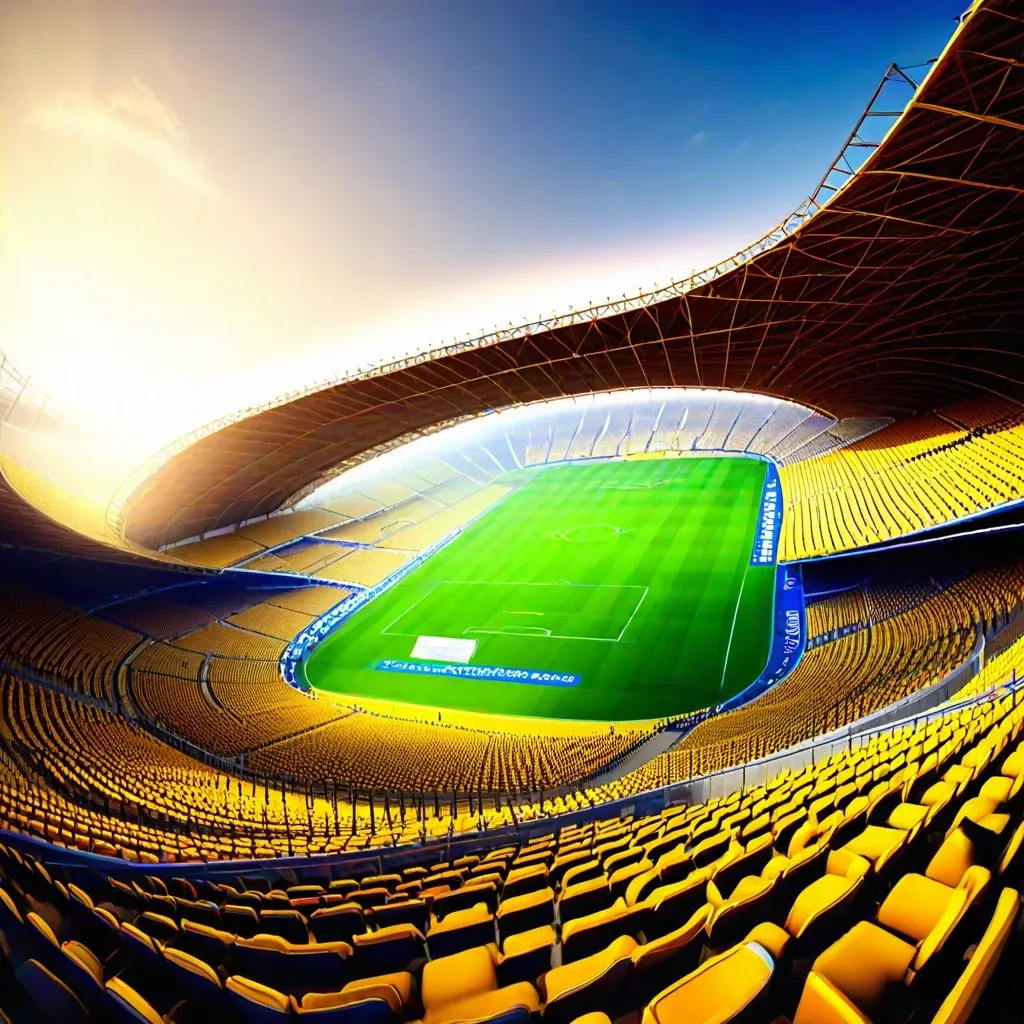
The heart of Hellas Verona’s support beats within the Curva Sud, a cauldron of passion, unwavering loyalty, and, unfortunately, recurring controversies. To understand Hellas Verona is to understand its fanbase, a complex tapestry woven with threads of deep-rooted tradition and shadowed by instances of unacceptable behavior. The Curva Sud isn’t merely a section of the stadium; it’s the vibrant core of the club’s identity.
The ultra culture within the Curva is a driving force, shaping the atmosphere at every match. These dedicated fans orchestrate elaborate displays of support, from coordinated chants and banners to impressive pyrotechnic shows. This fervent devotion creates an intimidating atmosphere for visiting teams and a powerful sense of unity among the Hellas Verona faithful. Traditions run deep, passed down through generations, solidifying a bond between the fans and their beloved “Gialloblu.”
However, the story of Hellas Verona’s fan base isn’t without its dark chapters. The Curva Sud has, on occasion, been marred by incidents of racism and violence, drawing condemnation from across the footballing world. These actions, perpetrated by a minority, tarnish the reputation of the club and its true supporters. Banners displaying offensive imagery and chants targeting opposing players based on their race have been reported, leading to sanctions and stadium closures.
Hellas Verona has actively worked to combat these issues, implementing measures to identify and ban offenders from the stadium. Anti-racism campaigns and initiatives promoting tolerance have been launched in an effort to educate fans and foster a more inclusive environment. While progress has been made, the club acknowledges that there is still work to be done to eradicate racism and discrimination from its fan base, ensuring that the passion of the Curva Sud is channeled in a positive and respectful manner.
Visiting the Bentegodi: A Practical Guide
Planning a trip to Stadio Marcantonio Bentegodi to see Hellas Verona in action? Here’s a guide to making your visit smooth and enjoyable. Getting to the stadium is relatively straightforward, with several options available. Public transportation includes buses that stop near the stadium, offering an affordable way to arrive. If you prefer driving, be aware that parking around the stadium can be limited, especially on match days, so arrive early. Taxis and ride-sharing services are also readily available in Verona.
Securing tickets in advance is highly recommended, especially for popular matches. Tickets can be purchased online through the official Hellas Verona website or at authorized ticket outlets throughout the city. Keep an eye on the club’s website for announcements regarding ticket sales and availability. For an authentic pre-game meal, consider exploring the restaurants in the Borgo Trento neighborhood, which offers many dining choices.
Beyond the football, Verona has plenty to offer visitors. The Verona Arena, Juliet’s House, and the Piazza delle Erbe are just a few of the must-see attractions in this historic city. Foreign fans should note that while English is spoken in tourist areas, learning a few basic Italian phrases can greatly enhance your experience. Enjoy the game and soak in the vibrant atmosphere of Verona!
Conclusion
The Stadio Marcantonio Bentegodi, a landmark in Verona, stands as a testament to Italian football history. Yet, the stadium faces significant challenges, caught between its storied past and the demands of modern football. Its outdated infrastructure and the ongoing debates surrounding its future raise questions about its long-term viability. Whether it will undergo extensive renovations, be replaced by a new arena, or continue in its current state remains uncertain. This uncertainty casts a shadow over the future of Bentegodi, leaving its legacy hanging in the balance and the hearts of Verona fans filled with anticipation for what’s to come. The future of Bentegodi impacts not only Verona but also the broader landscape of Italian football.